




Classic Interior Design
Classic interior design draws on European palace rooms: symmetrical layouts, wall mouldings, carved furniture, ceiling roses and soft colours like ivory, champagne and dove grey. The French classic look in particular uses painted panelling, curved chair legs, gilded frames and tall windows dressed with layered curtains.
Lahore carpenters and gypsum workers have long experience with mouldings and carving, which makes this style achievable locally. The best results come from restraint: crisp, well-proportioned panels in one colour look more expensive than every wall covered in ornament.
- Keep wall panelling proportions consistent across the room
- Paint mouldings in the same colour as the wall for a refined look
- Arrange furniture symmetrically around a fireplace, mirror or window
- Use one chandelier as the focal point, not several

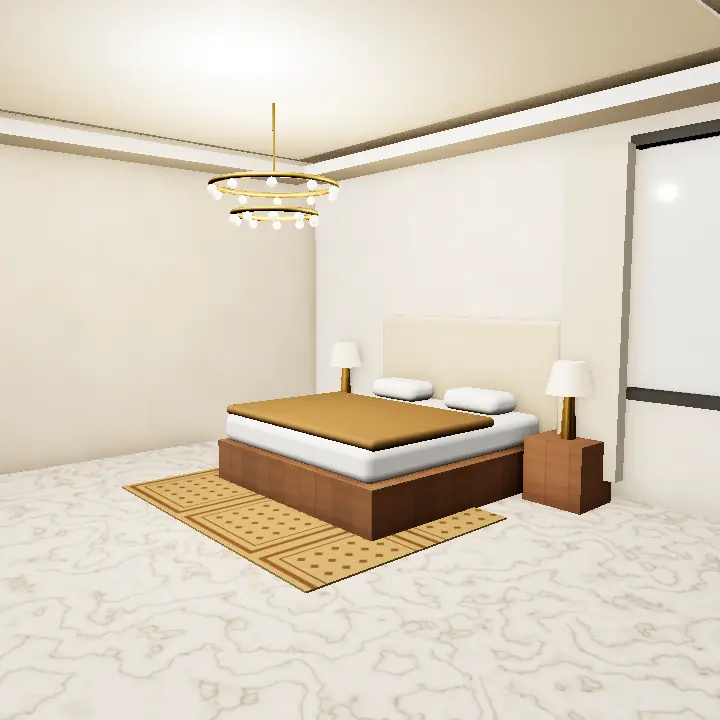
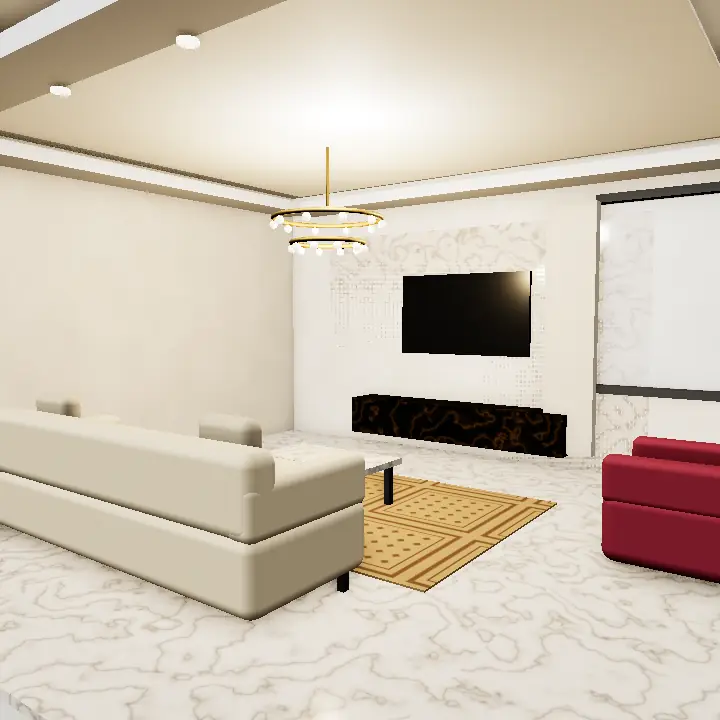
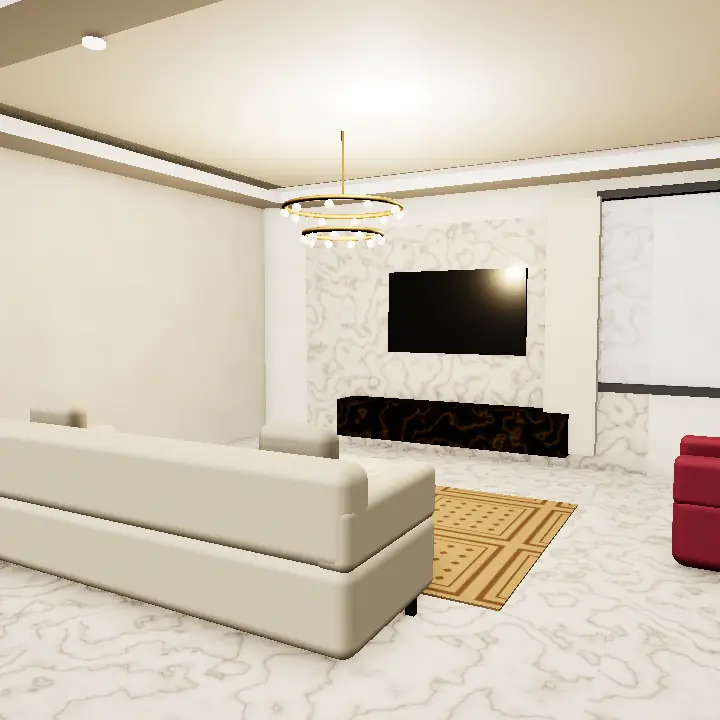
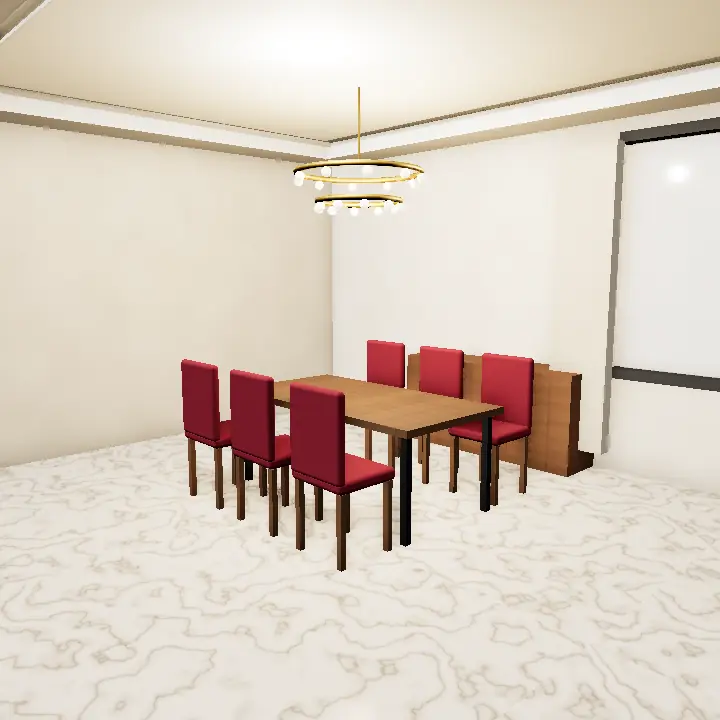
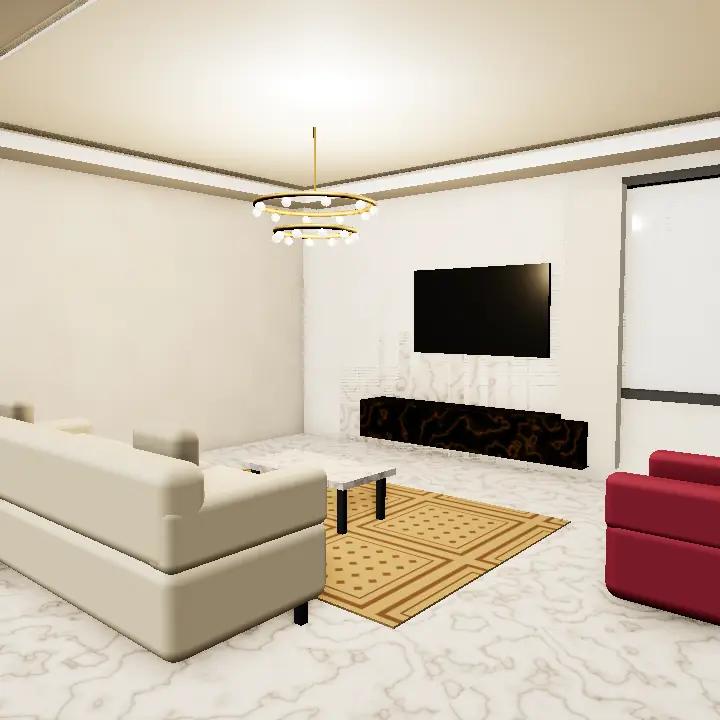
3D concept renders for inspiration — not photos of real houses or projects. A designer adapts any idea to your plot, budget and society rules.
Modern luxury versus classic luxury interior
Modern luxury uses large-format stone, clean lines, fluted panels, metal trims and hidden lighting. It feels sleek and suits open-plan lounges. A classic luxury interior, by contrast, relies on ornament, carved wood and symmetry, and feels formal. A royal interior pushes further, with deeper colours, arches, rich fabrics and more gold.
Many Lahore families mix the two: a modern luxury family lounge for daily use and a more classic or royal drawing room for guests. If you do this, keep the floor finish or colour palette connected so the house does not feel like separate showrooms.
How to plan a luxury interior on a Lahore plot
Luxury depends on ceiling height. Talk to your architect early about slab levels, because a chandelier, a coffered ceiling or a double-height space needs room above. False ceilings in low rooms quickly feel heavy.
Plan the stone layout before ordering. Marble from local quarries varies in veining from batch to batch, so ask your designer to approve slabs in person and dry-lay feature areas before fixing.
- Decide on the hero room and spend design effort there first
- Reserve space for curtains, pelmets and lighting in the ceiling plan
- Plan dimmers and separate circuits so lighting can change mood
Costs: what changes the budget (no numbers)
The main drivers are the type and amount of natural stone, custom joinery and carving, light fittings and fabric quality. Double-height spaces add finishing time. A good designer can show where a quality porcelain slab or painted panel gives a similar look.