Traditional Pakistani Interior: 3D Ideas & Plans for Pakistani Plots

Carved wood, Multani blue tiles, jharokha mirrors and floor seating: 3D traditional Pakistani interior ideas for drawing rooms and family spaces.

Get it designed See 3D designs

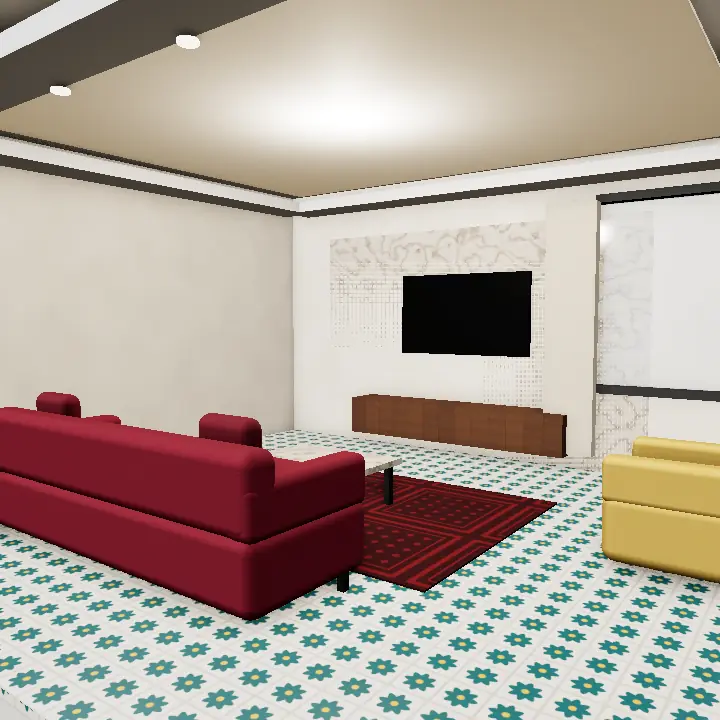
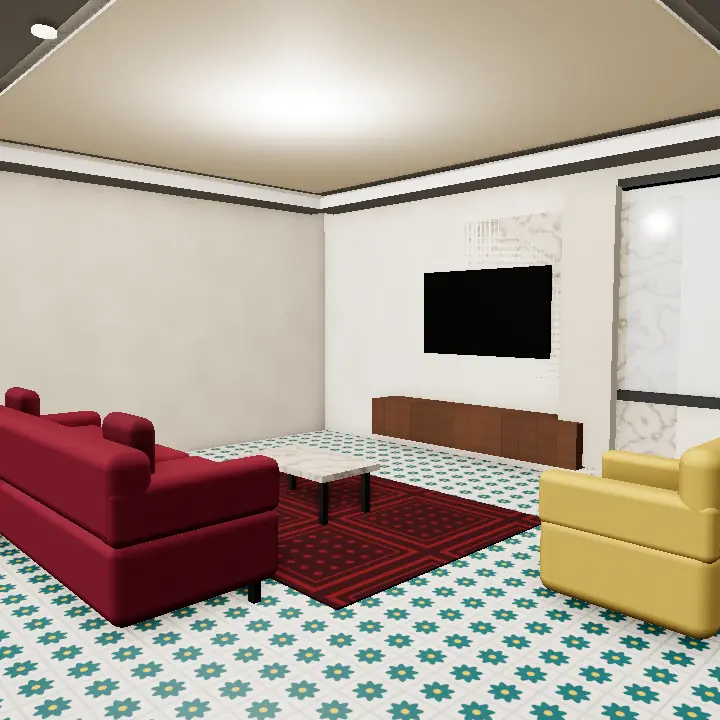
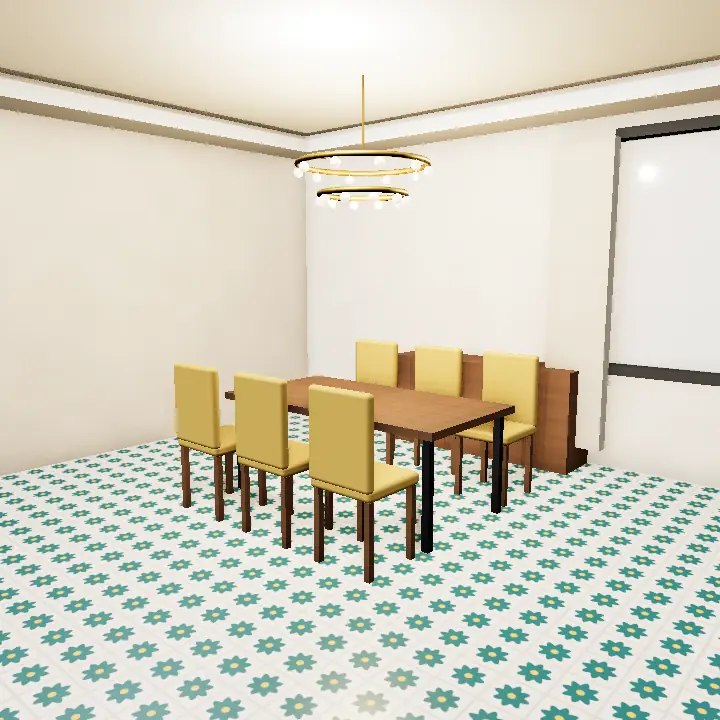
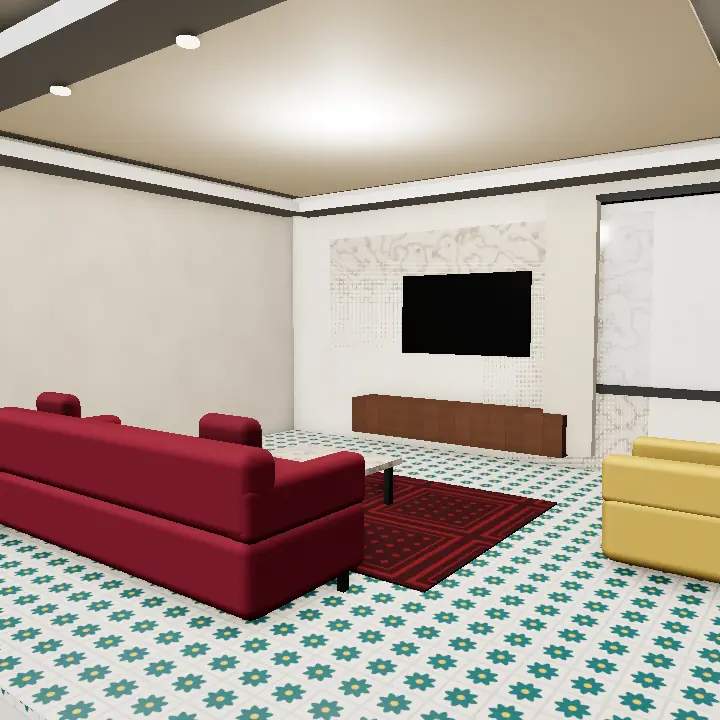
3D render of traditional pakistani drawing room with carved wood and blue tiles
Interior Design Styles

Traditional Pakistani Interior: ideas that suit Pakistani plots

A traditional Pakistani interior celebrates the crafts of the region. Carved sheesham and deodar furniture, blue and white Multani tiles, brass lamps, arched niches, jharokha-framed mirrors, hand-knotted rugs and floor seating with bolsters all belong here. Colours run from deep red, indigo and emerald to warm ivory and gold, and patterns are geometric or floral.

The style feels at home in Lahore, a city full of old havelis, mosques and bazaars with these very details. It suits a formal drawing room, a baithak for guests, a courtyard-facing lounge or a dining room in a 10 Marla or 1 Kanal house. In a 5 Marla home a single feature, such as a carved door or a Multani tile wall, can carry the look without crowding.

What to watch for: too many crafts in one space can feel like a museum. Pick a clear lead, such as Mughal arches, Multani tiles or truck art, give it a calm background, and make sure the seating is comfortable for real family use.

Get this designed: free quotes

Free · no account needed · your number goes only to the professionals you allow.

Moroccan Interior Design

A Moroccan interior shares a lot with Mughal and Pakistani craft: pointed arches, geometric tiles, pierced metal lanterns, carved wood and low lounge seating. The palette leans on cobalt blue, saffron, terracotta, emerald and white.

Moroccan decor blends easily with local pieces. Brass lanterns can sit beside Multani pottery, and geometric tiles can be made by local tile craftsmen. Use it for a lounge, a powder room or a terrace sitting area where pattern can shine.

  • Use patterned tiles on one wall, floor or arch surround
  • Hang pierced brass lanterns for patterned shadows at night
  • Choose low seating with bolsters and woven cushions
  • Balance strong colour with plain white or sand walls
3D render: Moroccan powder room, green and white tiles
Moroccan powder room, green and white tilesEmerald and white geometric tiles, a hammered brass basin, a pointed arch mirror and a pierced lantern.Get this designed →
3D render: Terrace majlis with terracotta and blue
Terrace majlis with terracotta and blueA terracotta-floored terrace with blue painted arches, low cushioned seating and brass lanterns on the wall.Get this designed →

3D concept renders for inspiration — not photos of real houses or projects. A designer adapts any idea to your plot, budget and society rules.

Mughal interior and jharokha decor

A Mughal interior is built on arches, symmetry, inlay and fine plasterwork. Cusped arches in gypsum, niches for lamps, marble floors with border patterns and pietra dura style inlay on a table or wall all bring this look. It suits formal drawing rooms and dining rooms best.

Jharokha decor borrows the projecting carved window of old havelis. Indoors it becomes a mirror frame, wall panel or headboard, carved by skilled carpenters in sheesham or deodar.

Bringing truck art decor and desi crafts in

Truck art decor is bold and joyful, so a little goes a long way. A painted trunk, a pair of accent chairs, a tray or a single door panel adds personality without overpowering the room. Pair it with plain walls and simple furniture.

A desi interior also draws on ajrak and ralli textiles, block-printed fabrics, clay pottery, chiniot-style carved furniture and woven charpai frames. These work across modern and traditional homes as accents.

  • Choose one bold craft per room as the lead feature
  • Use ajrak or ralli on cushions or a bed throw, not curtains everywhere
  • Combine carved furniture with simple upholstery for comfort

Materials and upkeep

Carved wood needs well-seasoned timber and periodic polishing, and the carving collects dust, so keep heavily carved pieces in rooms used for guests. Multani tiles are glazed and easy to clean on walls but can chip on floors. Brass needs regular care to stay bright, or can be left to darken naturally.

Design tips

Tips for traditional pakistani interior

  • Use one strong colour, such as indigo or deep red, with ivory or white as the base.
  • Fit gypsum arches and niches during construction rather than later.
  • Pick carved furniture with upholstered seats for daily comfort.
  • Use floor seating with firm cushions and bolsters for a baithak feel.
  • Light niches and arches with warm, hidden strips for evening mood.
  • Ask your designer for a 3D render showing tile and carving details at scale.
Avoid

Common mistakes

  • Mixing Mughal, truck art, Moroccan and ralli in one small room.
  • Using unseasoned wood for carved doors that warp in heat and damp.
  • Choosing hard, upright carved sofas with no cushioning.
  • Laying decorative glazed tiles on busy floors where they chip.
  • Leaving no plain wall space for the eye to rest.

Architect & design fees in Lahore →

FAQs

Traditional Pakistani Interior: questions

What is a traditional Pakistani interior?

It is a style based on local crafts and heritage: carved wood, Multani tiles, arches, brass, hand-woven rugs and regional textiles such as ajrak and ralli. It feels warm, rich and rooted in place.

How do I add a Mughal interior touch to a modern house?

Add one or two features, such as a cusped arch in gypsum, an inlaid marble table or a carved jharokha mirror. Keep the rest of the room simple so these stand out.

Where should I use truck art decor?

Use it as an accent on a trunk, chairs, a tray or a door panel. It works well in lounges, kids rooms and cafes, set against plain walls.

What is the difference between Moroccan and Mughal interiors?

Both use arches, geometric patterns and craft. Moroccan design leans on zellige-style tiles, lanterns and bright blues, while Mughal design focuses on marble, inlay, symmetry and fine plasterwork.

Is a desi interior practical for daily family life?

Yes, if you choose comfortable seating, washable textiles and easy-clean surfaces. Keep heavily carved or delicate pieces in rooms used mainly for guests.

Like an idea? Get traditional pakistani interior drawn for your plot

Share your plot size and the designs you liked — verified designers in Lahore send written quotes.

Get a quote

Verified agents serving this area reply with real, available options and current prices. Your number is never published.