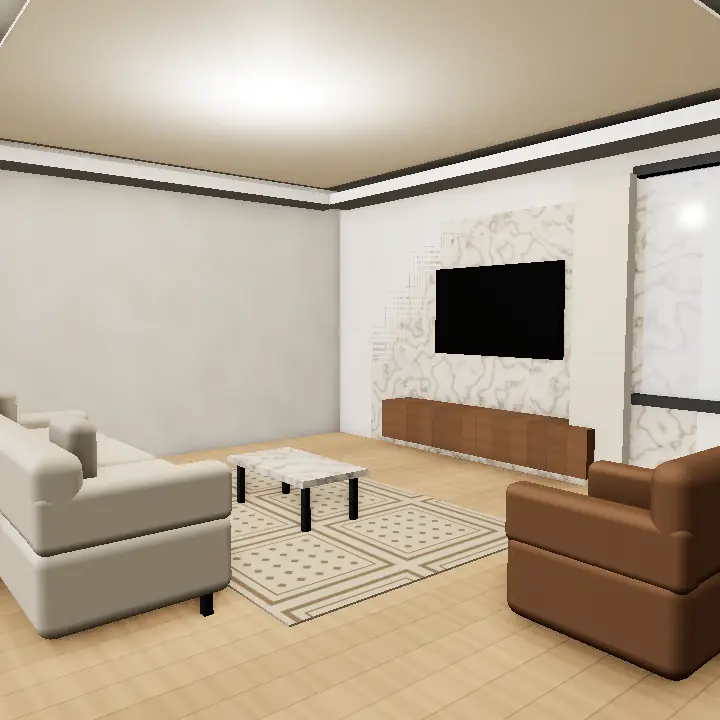
Japandi Interior Design: 3D Ideas & Plans for Pakistani Plots

Low furniture, slatted wood, linen and earthy calm: 3D Japandi interior ideas for bedrooms, lounges and quiet corners in Lahore homes.

Get it designed See 3D designs

3D render of japandi bedroom with low bed and oak slats
Interior Design Styles

Japandi Interior Design: ideas that suit Pakistani plots

A Japandi interior blends two traditions that value simplicity: the warmth and comfort of Scandinavian homes and the restraint and craft of Japanese rooms. The result is low, solid furniture, slatted wood screens, linen and cotton, handmade ceramics and a muted palette of beige, clay, stone grey, olive and charcoal. Nothing is there just for show.

The style suits Lahore homes that want a break from busy decoration. It works especially well in bedrooms, study rooms and a quiet family lounge, and it sits comfortably in a 5 Marla house because it relies on space and order rather than size. In a 1 Kanal home it can turn an upper-floor lounge or a room facing the lawn into a calm retreat.

What to watch for: Japandi can look bare or unfinished if the materials are poor. The style depends on good wood, real texture and careful proportions, so put the budget into a few well-made pieces rather than many cheap ones.

Get this designed: free quotes

Free · no account needed · your number goes only to the professionals you allow.

Japanese interior roots and Zen interior principles

Much of the style's calm comes from the Japanese interior tradition: rooms that are open and flexible, materials left close to their natural state, and a respect for empty space. Sliding screens, low seating and an alcove for one object are all ideas worth borrowing.

A zen interior is less about Japanese objects and more about a state of mind. Each room should have a clear purpose, a clear surface and somewhere for the eye to rest. In practice that means closed storage, a quiet colour palette and only the items you actually use or love.

  • Leave one alcove or niche for a single vase, bowl or artwork
  • Use sliding doors or screens where swing doors waste space
  • Keep furniture low so walls and windows feel taller
  • Choose handmade ceramics and woven baskets over shiny decor

Materials and finishes that last

Wood is the heart of Japandi. Oak and ash tones give the lighter Scandinavian side, while walnut or darker-stained local wood gives the Japanese side. Combining one light and one dark wood is a classic move. Limewash or textured paint on walls adds softness and suits the earthy palette.

In Lahore's climate, solid wood must be well seasoned and sealed so it does not crack in summer heat or swell during monsoon. Ask your carpenter about seasoning and finish. Linen and cotton fabrics are a good fit, as they breathe in the heat and soften with washing.

How to plan it on a Lahore plot

Start with the bedroom or study, where the style gives the most benefit. Plan wardrobes as one continuous wall with flush doors, keep the bed low, and fix lighting at lower levels with table lamps and floor lamps rather than many ceiling lights.

If you want a tea corner or floor seating area, a slightly raised wooden platform defines it without walls. Check that the AC and fan points suit people seated low, and that the floor is comfortable for bare feet.

  • Use warm, dimmable lighting for an evening glow
  • Place plants with sculptural shapes rather than many small pots
  • Keep the palette to four or five earthy tones across the house
Design tips

Tips for japandi interior design

  • Pair one light wood with one dark wood for the classic Japandi contrast.
  • Choose linen or cotton bedding in beige, clay or stone grey.
  • Use vertical wooden slats to hide AC pipes, doors or storage.
  • Keep decorative objects to odd numbers and small groups.
  • Pick a paper or fabric shade for at least one pendant light.
  • Ask for a 3D mood board of materials before committing to joinery.
Avoid

Common mistakes

  • Treating Japandi as plain minimalism and losing all warmth and texture.
  • Using unseasoned wood that cracks or warps in the Lahore heat.
  • Adding themed decorative items that turn the room into a costume.
  • Choosing bright white walls instead of soft, earthy neutrals.
  • Placing low furniture under high, bright ceiling lights that feel harsh.

Architect & design fees in Lahore →

FAQs

Japandi Interior Design: questions

What is a Japandi interior?

It is a blend of Japanese and Scandinavian design. It combines low, simple furniture, natural wood, soft textiles and an earthy, muted colour palette for a calm, uncluttered home.

Which rooms suit Japandi design best?

Bedrooms, studies and quiet family lounges are ideal, because the style is restful. It can also work in dining areas and washrooms with wood, stone and soft lighting.

Is a Japanese interior the same as Japandi?

No. A traditional Japanese interior uses specific elements such as screens, mats and alcoves. Japandi borrows the restraint and craft, then adds the warmth and comfort of Scandinavian homes.

What colours are used in a zen interior?

Soft, earthy shades such as beige, sand, clay, stone grey, olive and charcoal. Bright, saturated colours are kept to a minimum so the room feels quiet.

Can Japandi work in a small 5 Marla house?

Yes. Its low furniture, hidden storage and limited decor make small rooms feel open. Sliding doors and slatted partitions also save space.

Like an idea? Get japandi interior design drawn for your plot

Share your plot size and the designs you liked — verified designers in Lahore send written quotes.

Get a quote

Verified agents serving this area reply with real, available options and current prices. Your number is never published.