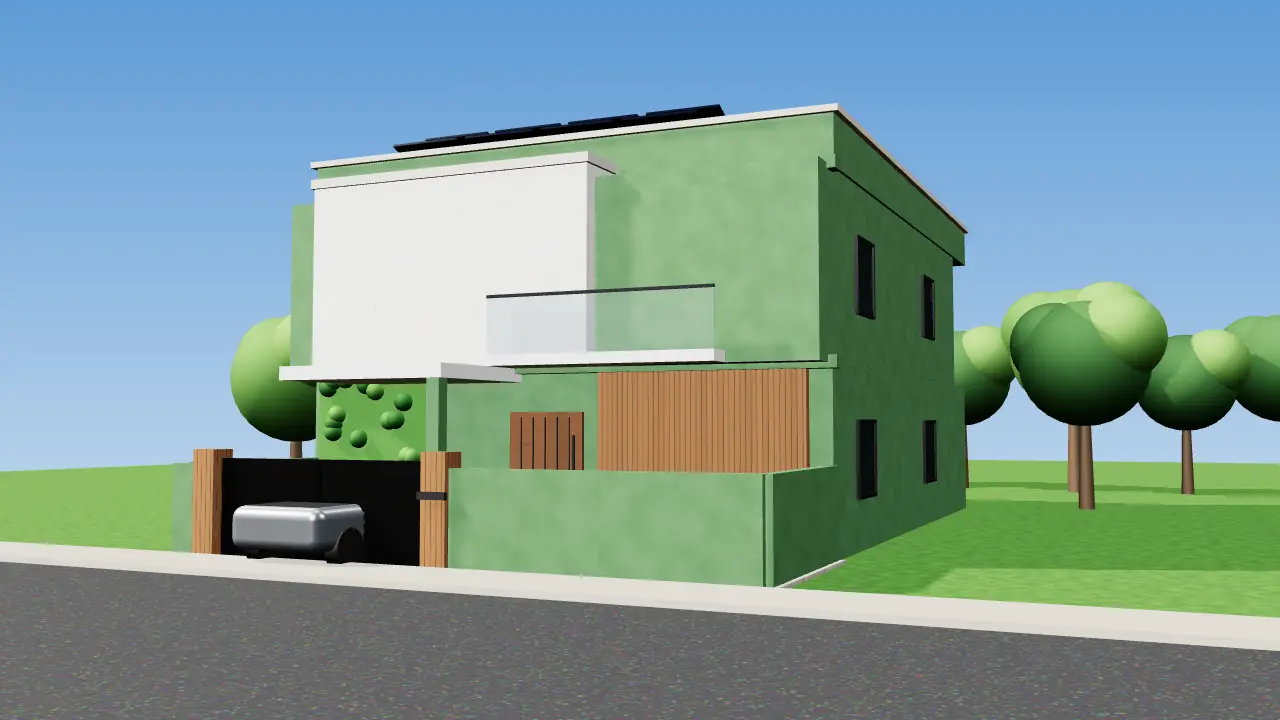
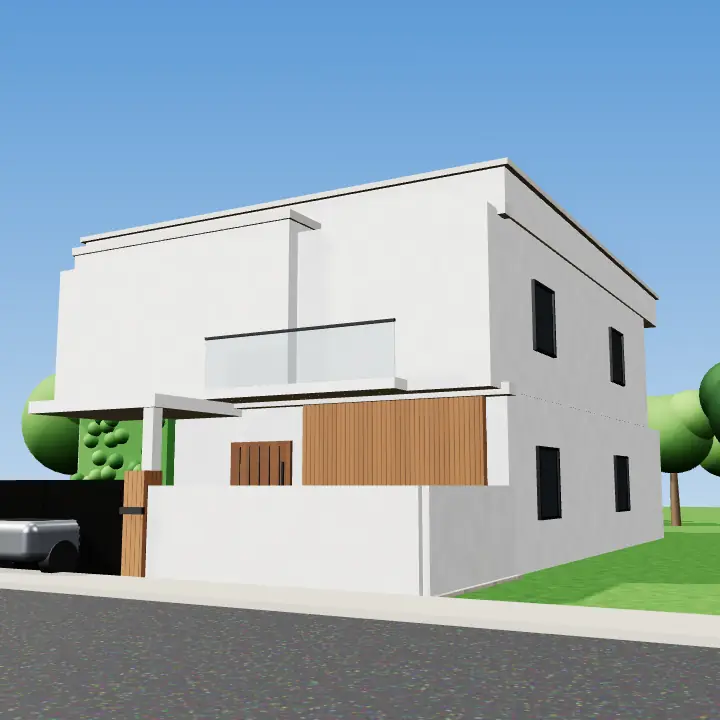
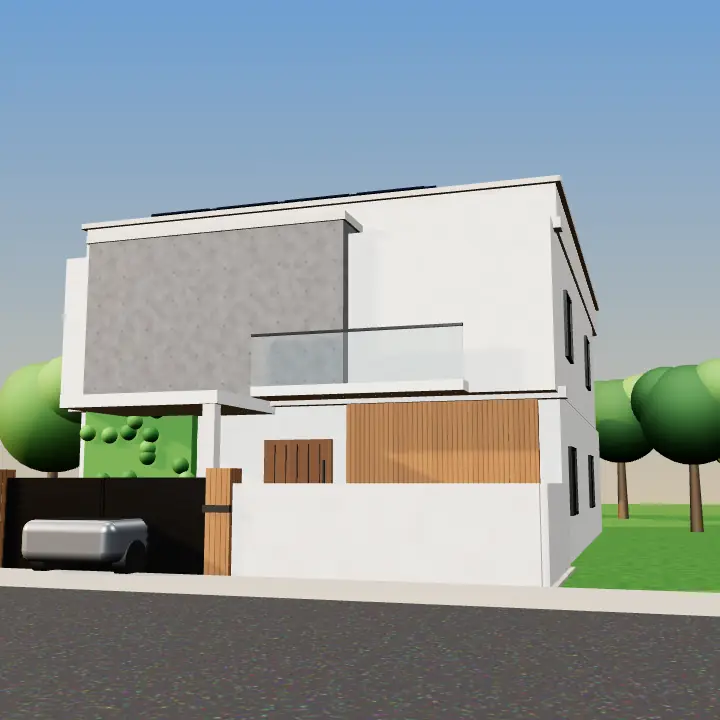
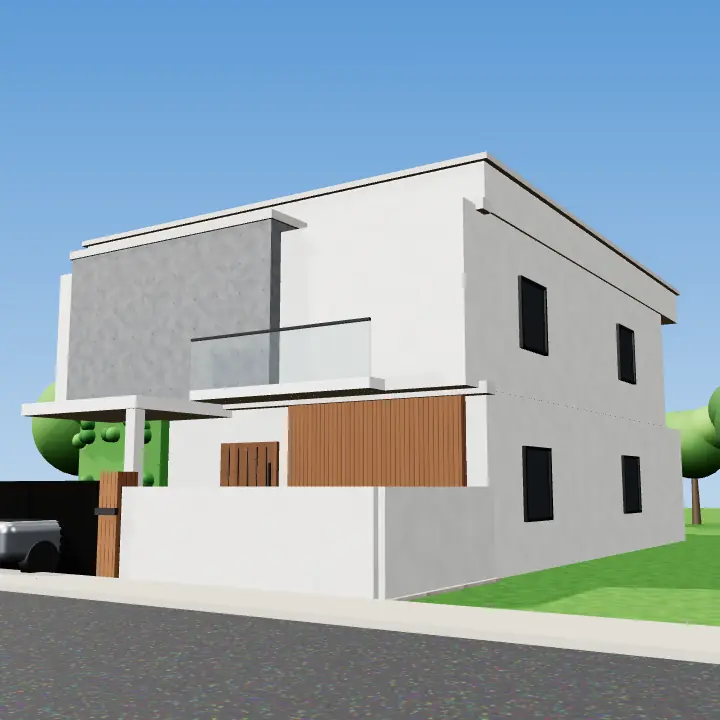
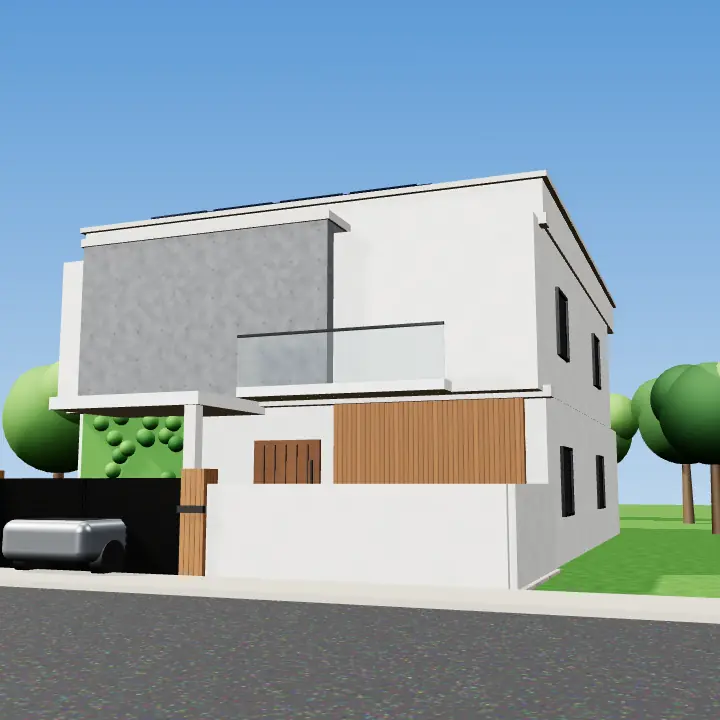

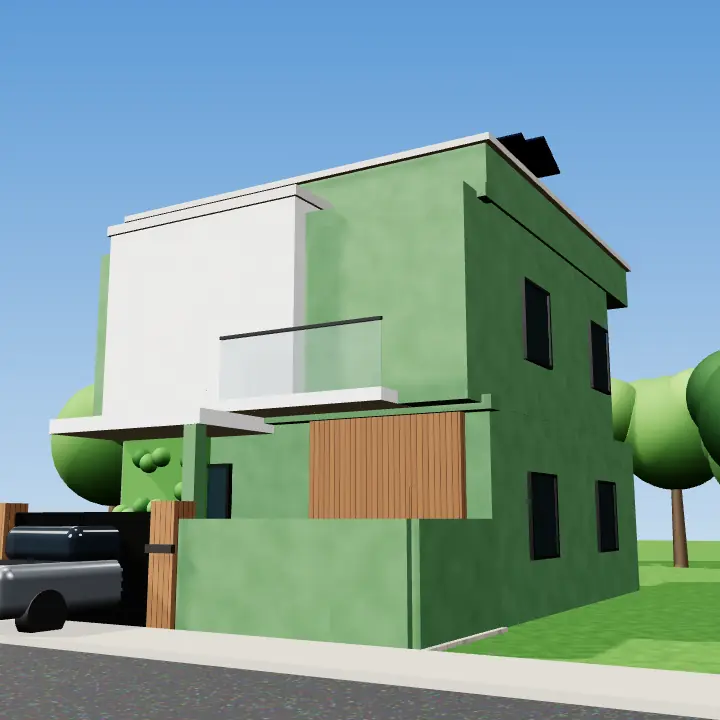
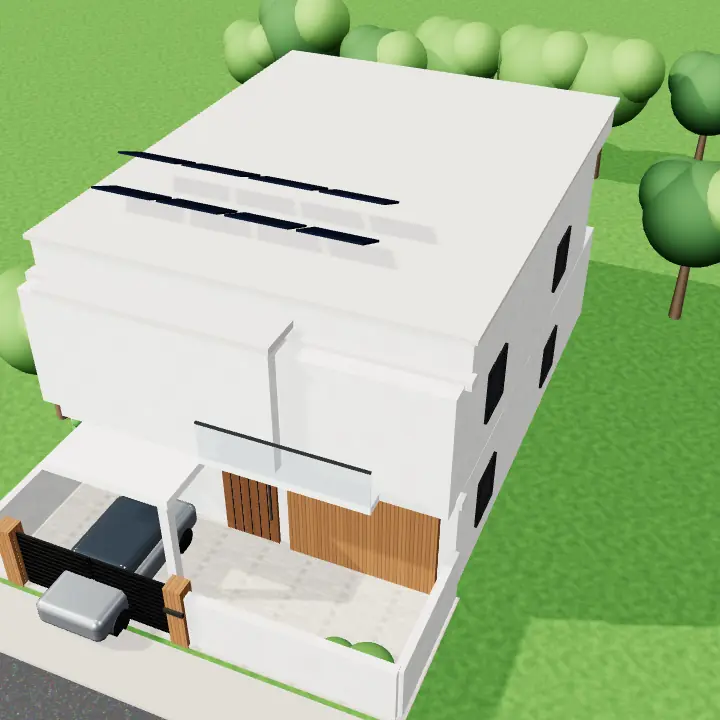
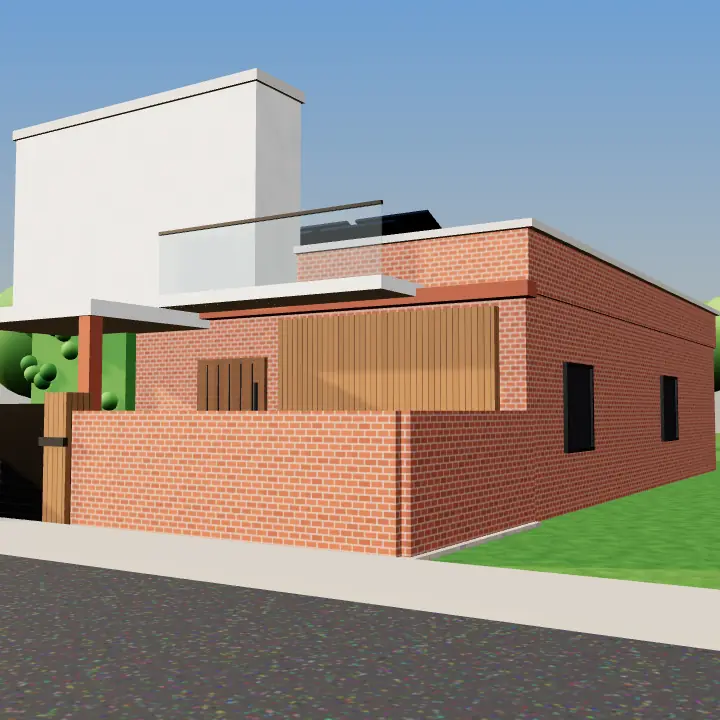
Passive design first: shade, air and insulation
The cheapest energy is the energy you never use. Keep large windows on the north and south, where they are easier to shade, and limit glass on the west. Add deep overhangs, fins or jaali screens, and give each room windows on two sides so breezes can pass through.
For an energy efficient house in Pakistan, roof insulation and a light, heat-reflecting top finish make the biggest single difference, and you feel it first on the top floor.
- Use cavity walls or insulated blocks on sun-facing walls
- Fit double-glazed uPVC or aluminium windows
- Add a stairwell skylight or vent to pull hot air up and out
Solar house planning and rainwater
For a solar house, plan the roof early: keep a clear, unshaded area facing the sun, structural support for frames and a neat cable route to the inverter room. Raised panels can also shade the roof slab below.
Rainwater harvesting can be as simple as roof downpipes feeding a tank for garden use, or a soakage well that recharges groundwater. Confirm what your society or approving authority allows before digging.
- Leave access paths between panels for cleaning dust
- Filter the first flush of roof water
- Keep tanks covered to avoid mosquitoes
Planting that works
Trees on the south and west, creepers on trellises and a rooftop garden all lower surface heat. Choose hardy local plants, use drip irrigation and make sure the roof is waterproofed and strong enough before adding soil.
