


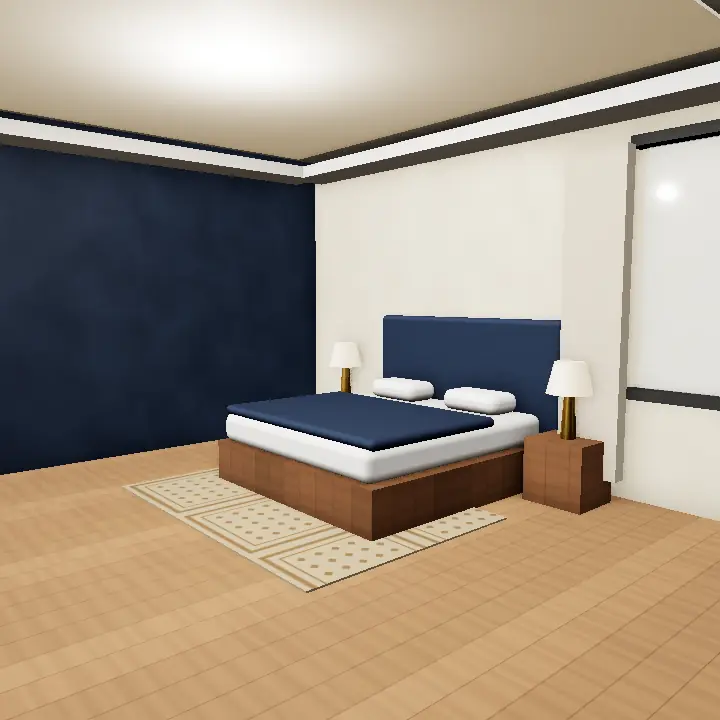
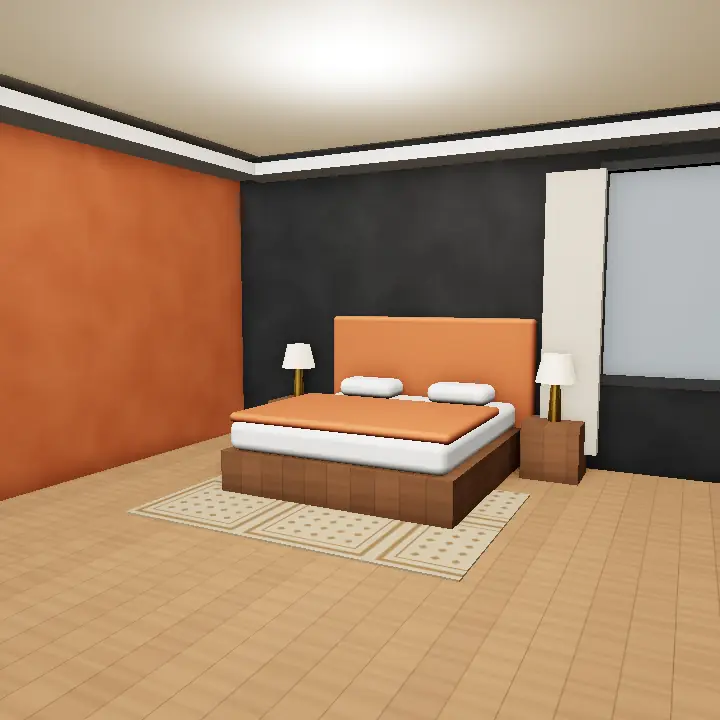


Working out a room colour combination
A simple way to build a room colour combination is to pick three tones: a main wall colour for most surfaces, a secondary colour for one wall, furniture or curtains, and a small accent for cushions, art or trims. Keeping the ceiling white or a very pale tint makes the room feel taller.
Start from things that are hard to change, such as the floor, marble, kitchen cabinets or a large sofa. Hold paint samples next to them rather than choosing in isolation.
- One main colour, one supporting colour, one accent
- Warm whites and greige pair well with beige marble and wood
- Cool greys and navy suit white or grey floors
- Terracotta and sage work with natural wood and brick tones
Light, heat and finish in Lahore homes
Rooms facing strong afternoon sun look brighter and warmer, so cooler shades such as sage or soft grey can calm them down. Rooms with little daylight benefit from warm off-whites and creams that do not turn dull and grey.
Finish matters too. Matte and soft sheen paints hide small wall flaws and look calm, while washable satin finishes cope better in kitchens, corridors and kids' rooms. On walls prone to damp, fix the cause and use a suitable primer before any colour goes on.
- Test colours on two walls and check morning and evening
- Use washable finishes where hands and furniture rub walls
- Keep dark colours to feature walls in small rooms
- Repaint after the monsoon if walls need time to dry
Colours room by room
Bedrooms suit restful shades such as off-white, sage, soft blue or greige. Lounges can take a little more character, such as a navy or terracotta feature wall behind the sofa. Dining rooms carry warmer, richer tones well because they are often used in the evening under warm light.
In compact 5 Marla houses, using one calm base colour through the lounge, corridors and stairs makes the home feel connected and larger, with accents changing room by room.