
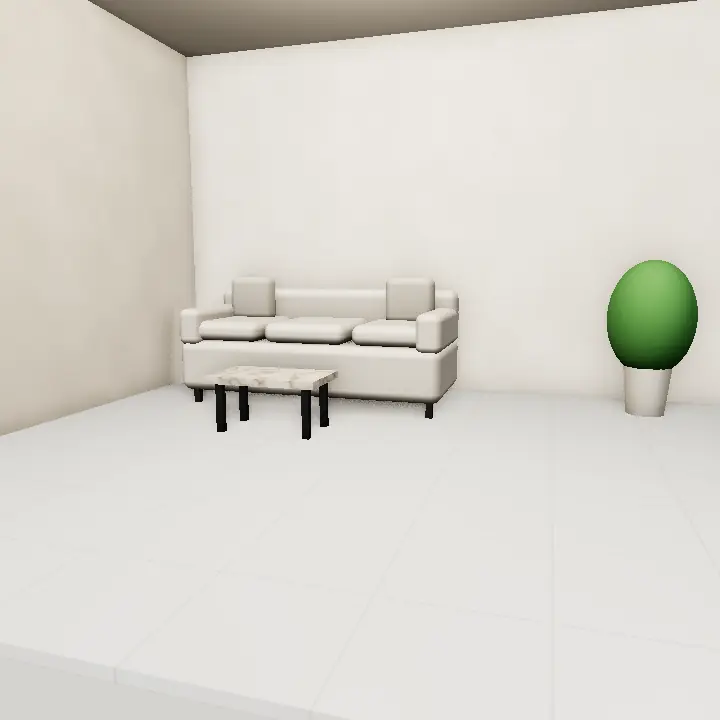
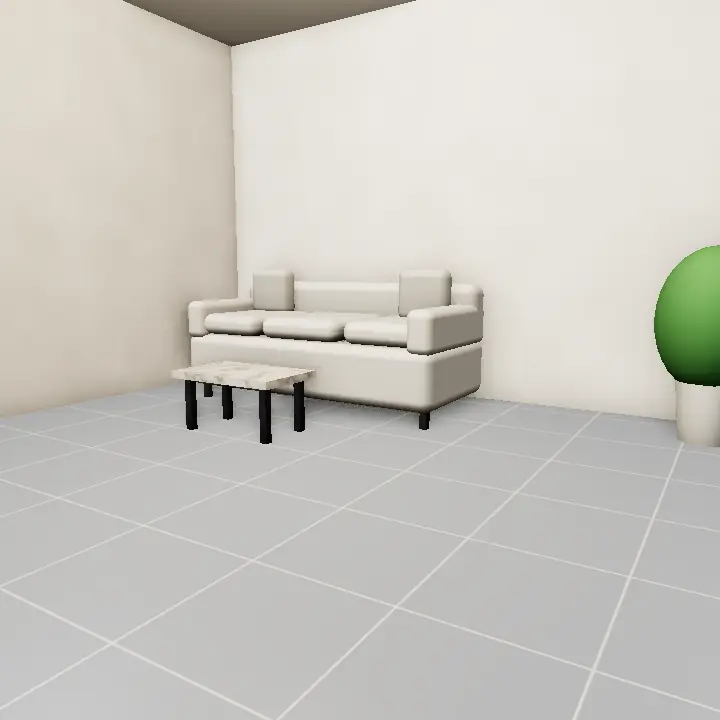
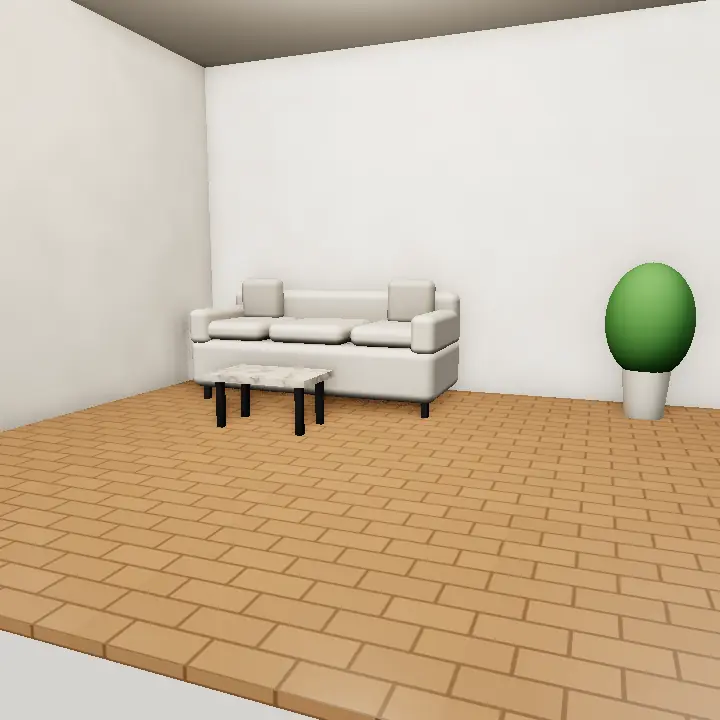
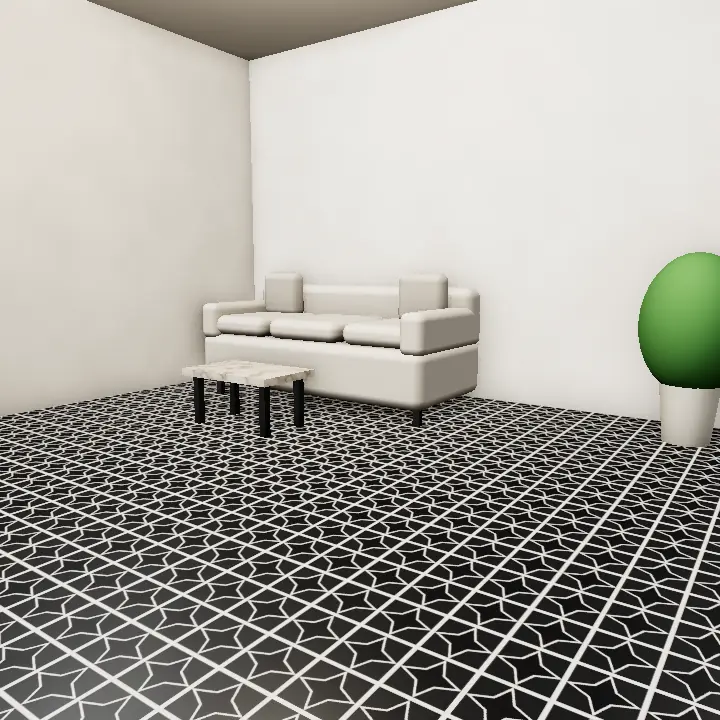

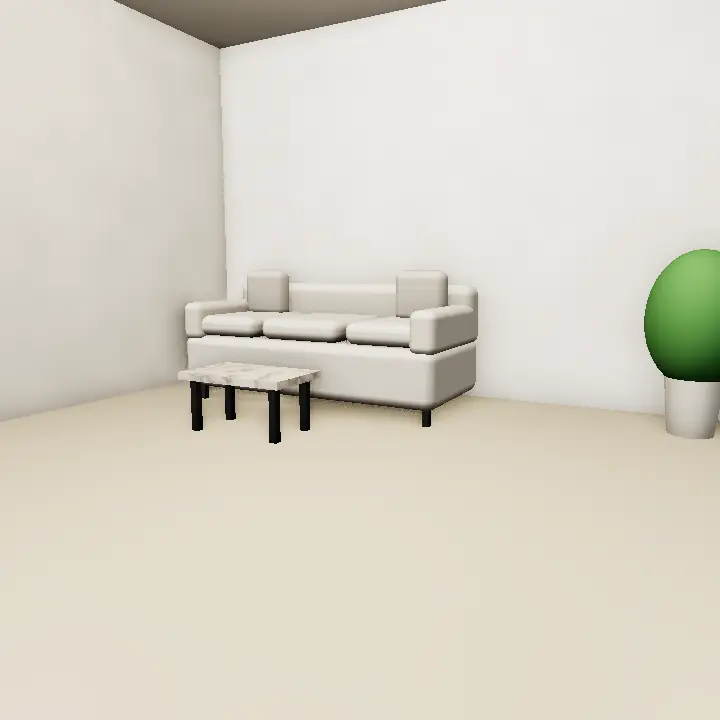

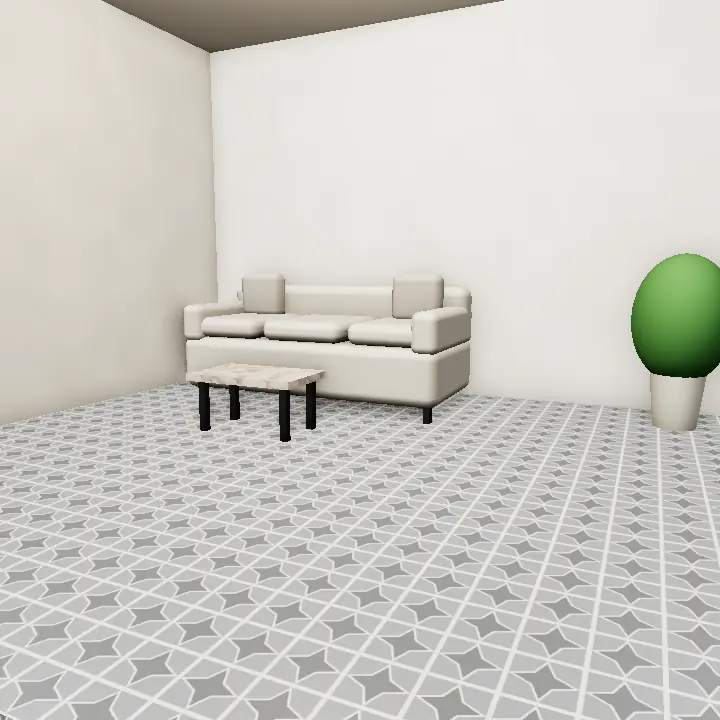
Choosing size, finish and pattern
Large porcelain tiles with tight joints make a room look calmer and bigger, which helps in 5 Marla and 10 Marla houses where lounges are compact. Smaller tiles and bold patterns work better as a feature in a dining area, a foyer or a verandah.
Glossy finishes reflect light and look formal, but show footprints and dust. Matte and satin finishes hide marks and grip better, so they suit kitchens, stairs landings and entrances.
- Large tiles for lounges and bedrooms that need to feel open
- Matte or textured finishes for kitchens, porches and roofs
- Patterned tiles as a rug or border, not wall to wall
- Straight lay for calm rooms; diagonal or herringbone to add movement
How to plan it on a Lahore plot
Walk through the house on the drawing and decide where the same tile should flow and where it should change. Keeping one tile through the lounge, dining and corridor makes a small house feel larger, while a change of tile can mark the drawing room as a formal space.
Ask your contractor to dry-lay a few rows before fixing. This shows where cut pieces will land, so they can be pushed to the edges under furniture rather than at the doorway where everyone sees them.
- Confirm the base is level before tiling starts
- Plan slopes toward drains in washrooms, porches and roofs
- Order extra boxes from the same batch for future repairs
- Match skirting tiles to the floor or the wall, not a third colour
Climate and upkeep
Lahore dust shows quickly on very dark or very glossy floors, so mid-tones in grey, beige or wood-look are easier to keep looking clean. Outdoor tiles must cope with strong sun and heavy rain, so choose weather-resistant, textured surfaces rated for exterior use.
Grout colour matters as much as the tile. A grout a shade darker than a light tile hides the dirt that collects in joints, and a sealed grout is easier to clean in kitchens.
