
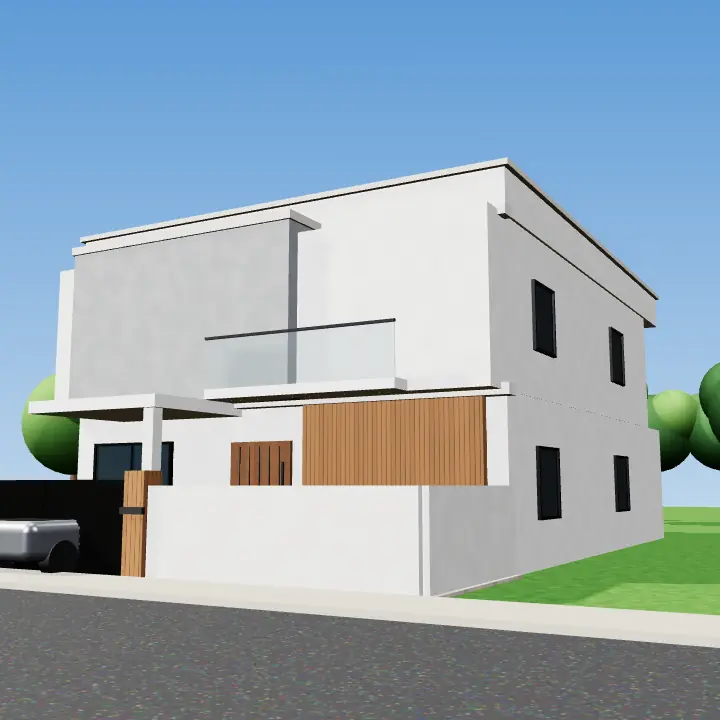
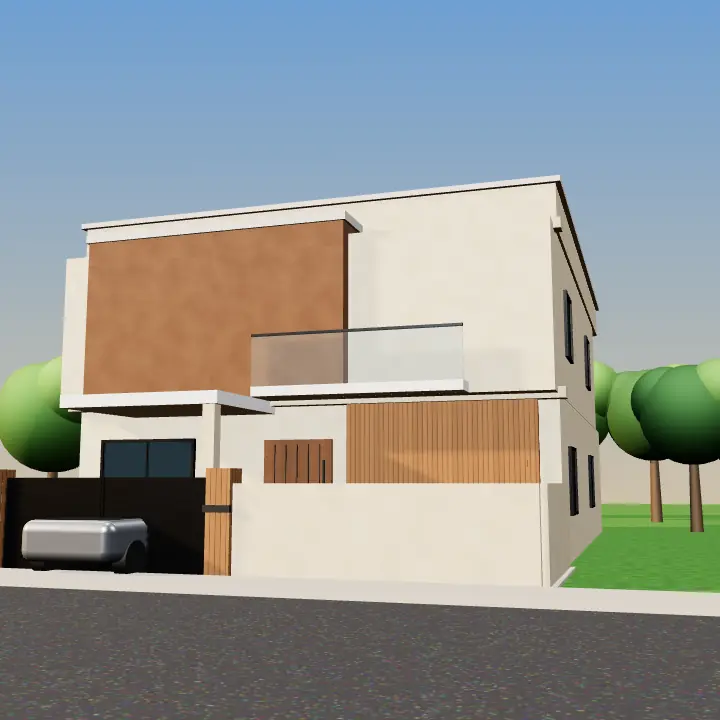
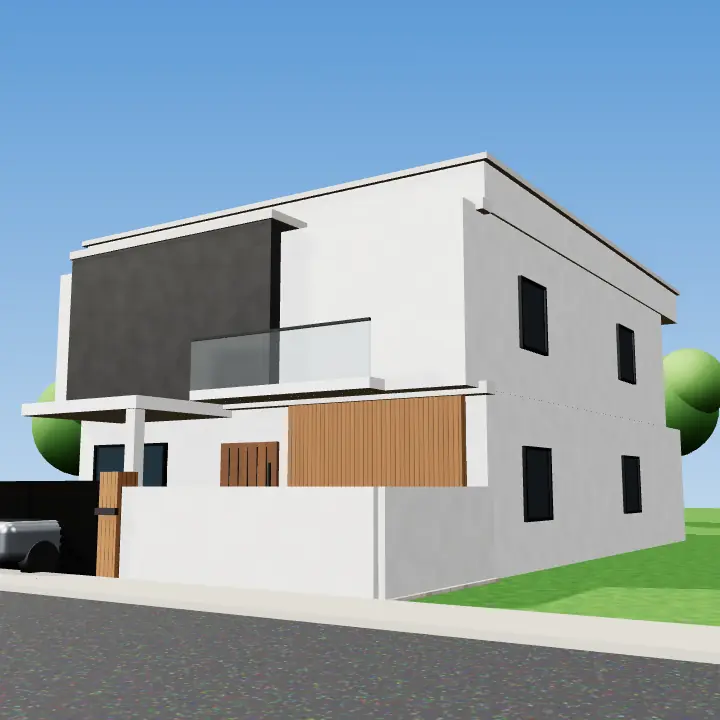
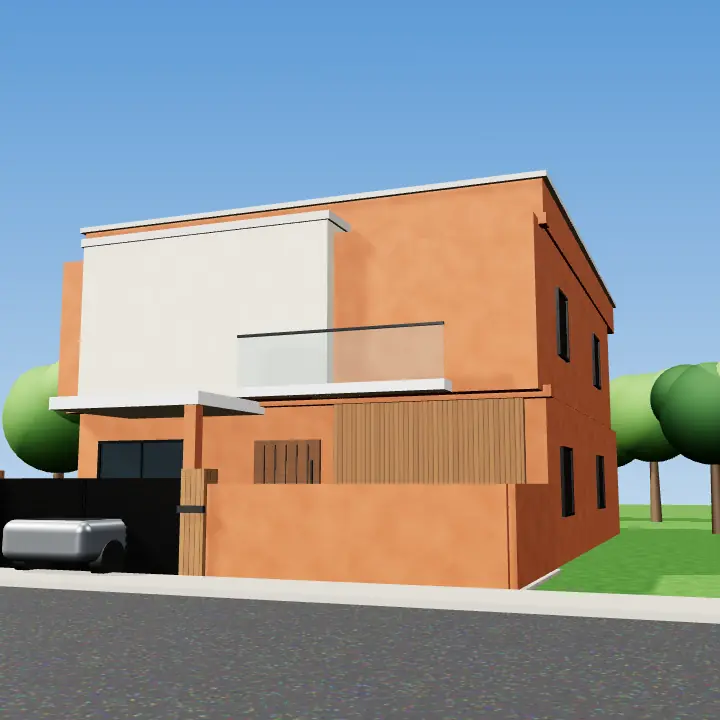
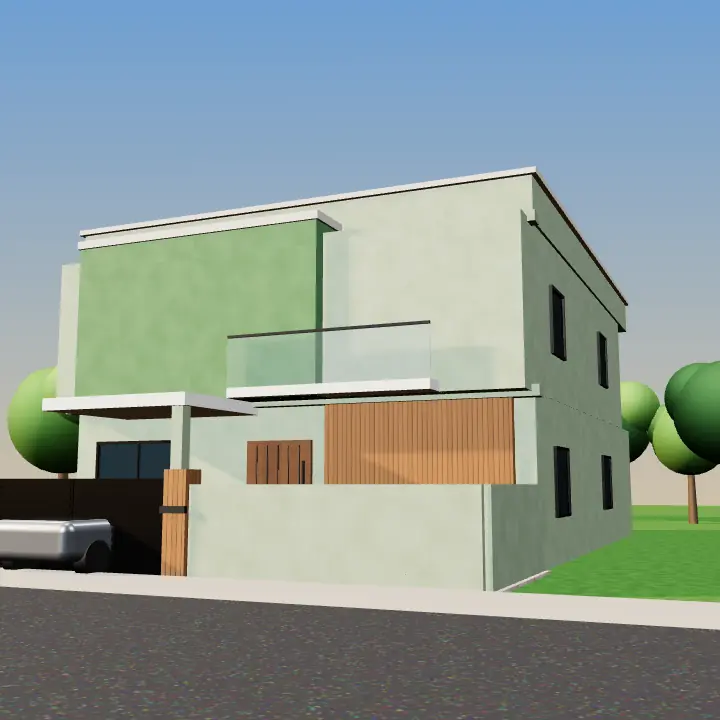
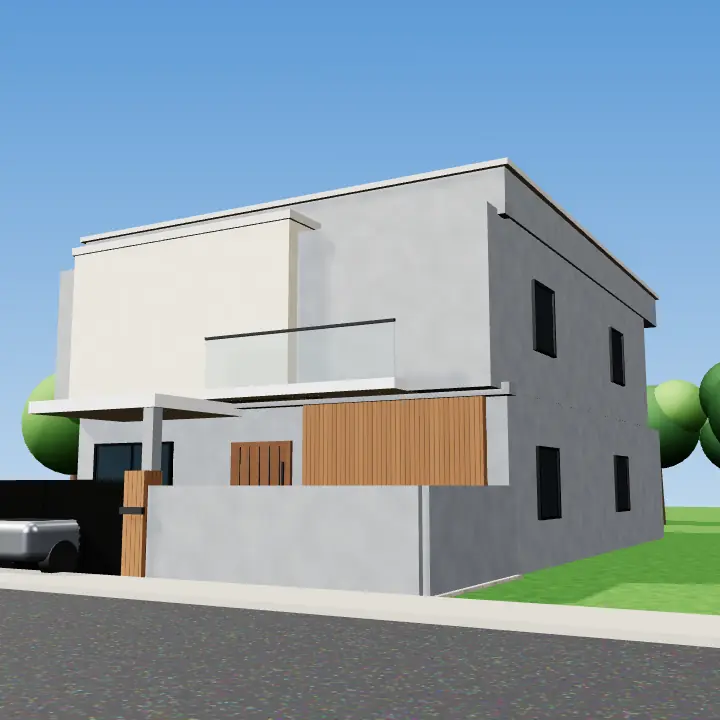
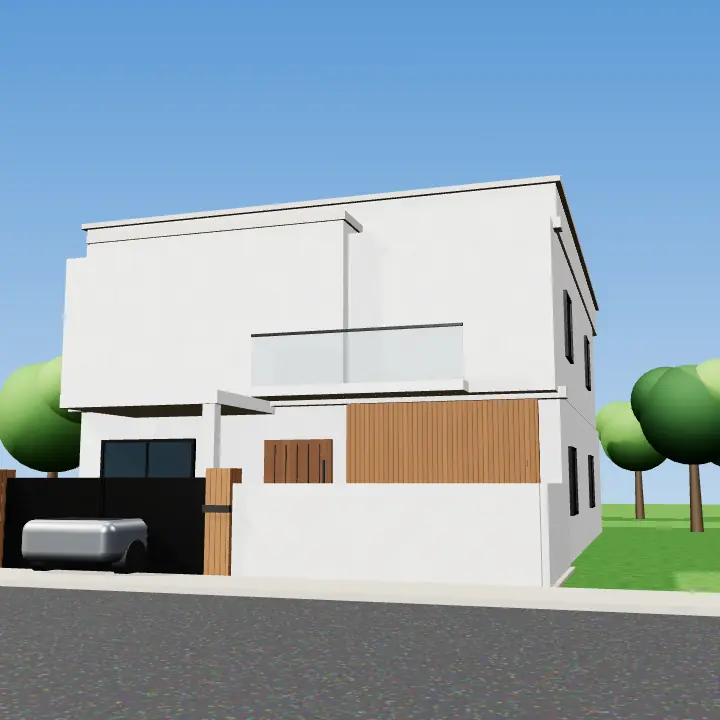
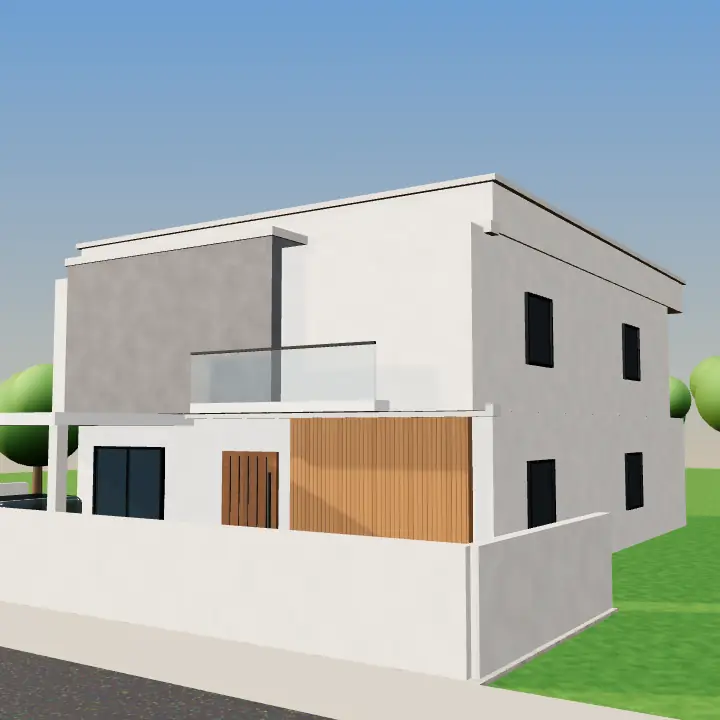
How to build a colour scheme for your elevation
Start with what you cannot change: the stone, tiles, brick, window frames and roof. Pick a body colour that sits comfortably with them, then a second shade a few steps lighter or darker for projections and bands. Keep the accent colour for small areas such as the main door, gate or railings so it stays special.
Test before committing. Paint large patches on two or three walls that face different directions and look at them in the morning, at noon and in the evening. Colours shift a lot between harsh midday sun and soft dusk light.
- Limit the facade to two main colours plus one accent
- Use the darker colour on lower walls where dust and splashes collect
- Keep sunny west and south walls lighter to reduce heat
- Carry the scheme onto the boundary wall and gate for a finished look
Paint types and climate in Lahore
Exterior walls in Lahore face strong UV, heat, dust storms and monsoon downpours. Use paint made for exterior use, ideally a weather-resistant emulsion over a proper primer. Textured finishes hide minor plaster flaws and dust better than flat smooth coats.
Before painting, fix cracks, damp patches and seepage, otherwise the new coat will bubble or peel. Damp-proofing near the plinth and around parapets matters more than any colour choice.
- Repair cracks and seepage before any paint goes on
- Allow fresh plaster to cure fully before painting
- Ask about anti-fungal additives for shaded, damp walls
Upkeep and repainting
Lighter colours show dust streaks, darker ones show fading, and mid-tones such as greige, warm grey and sand tend to stay presentable the longest. Wash the facade gently after dusty spells and keep a small stock of the same paint for touch-ups. Note the colour codes so a repaint can match exactly.
