


Chandelier Design
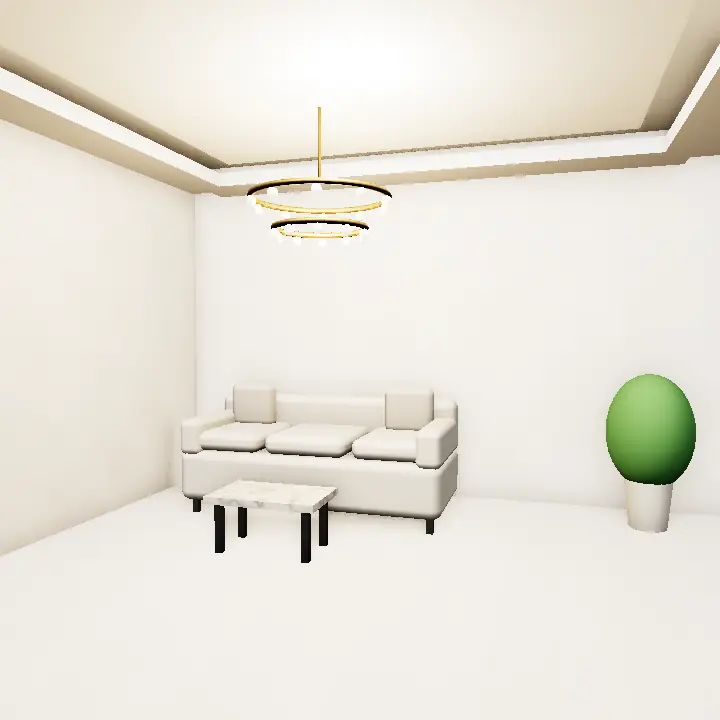
A chandelier design gives a room its centrepiece. Traditional crystal pieces suit formal drawing rooms and double-height halls, while modern rings, branches and cluster pendants work in lounges and dining rooms. The jhoomar has long been part of Pakistani homes, especially in rooms where guests are received.
Size and height are the main decisions. A chandelier should suit the room and the table or seating below it, and should hang high enough that no one walks into it. In a double-height lobby, it can drop lower to fill the space.
- Fix chandeliers to the roof slab, not to the false ceiling board
- Centre the fixture over the table or seating, not the room
- Add a dimmer so it works for both events and quiet evenings
- Choose warm bulbs that flatter crystal and gold finishes

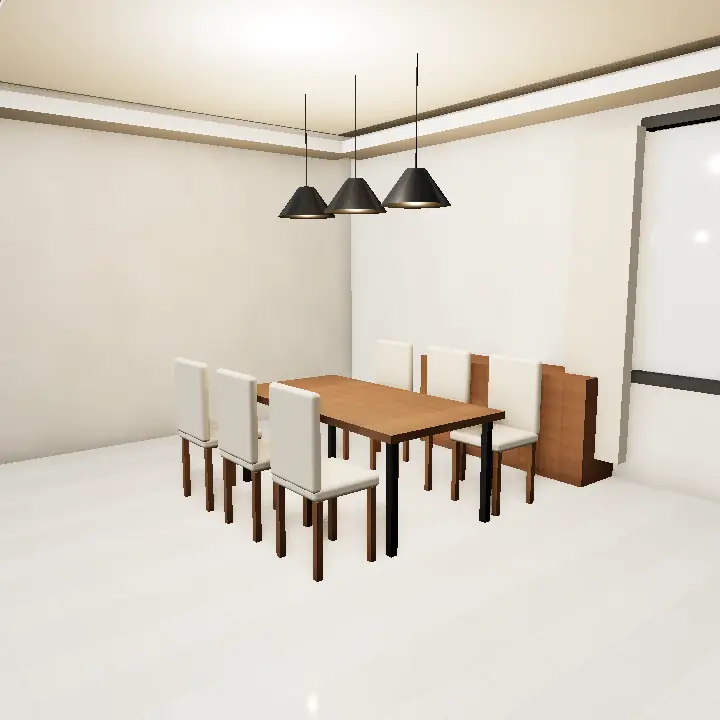
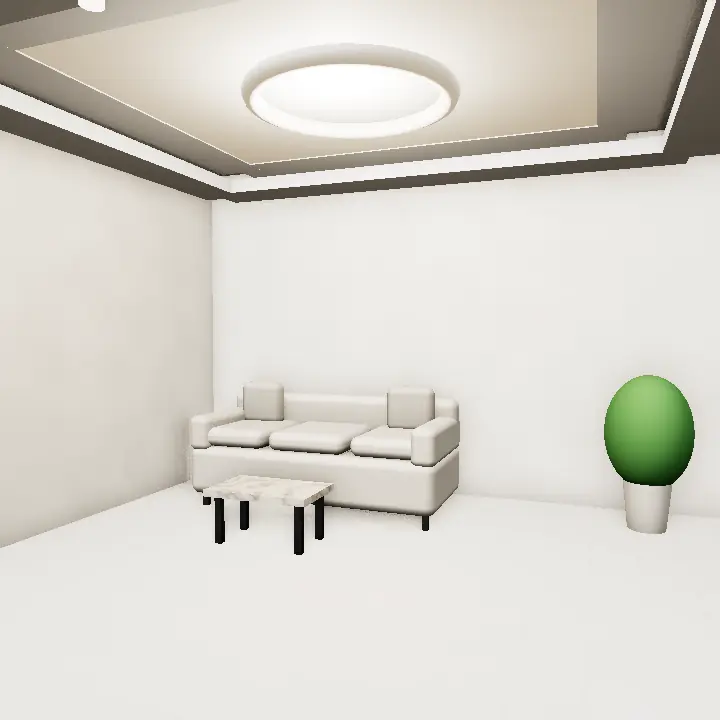
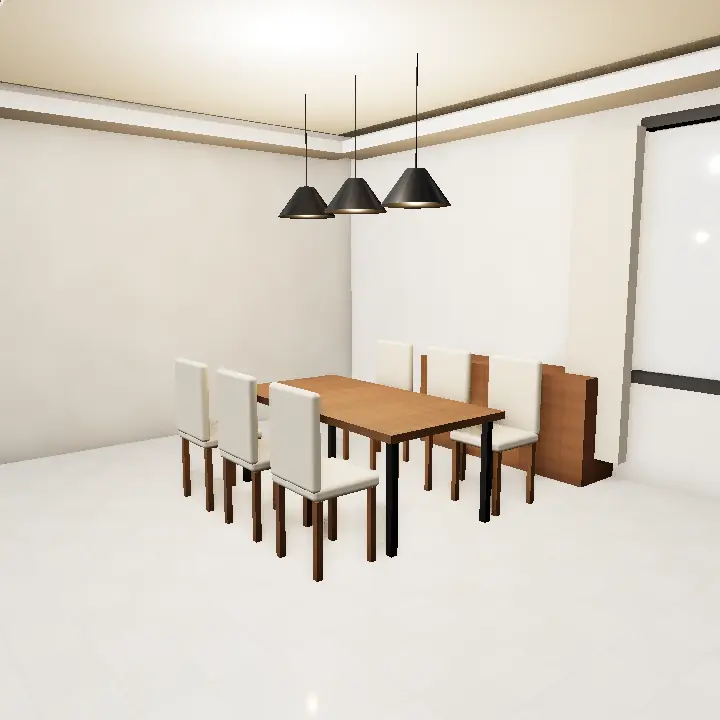
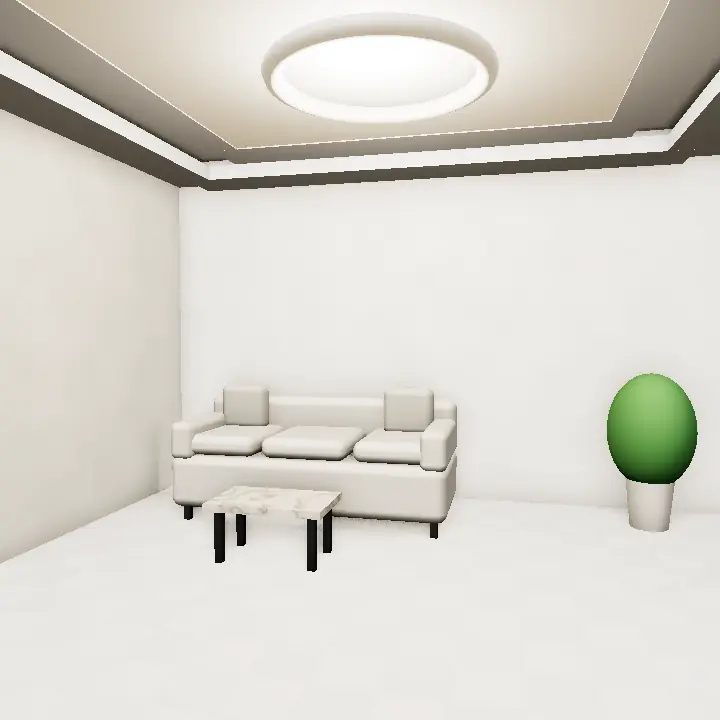
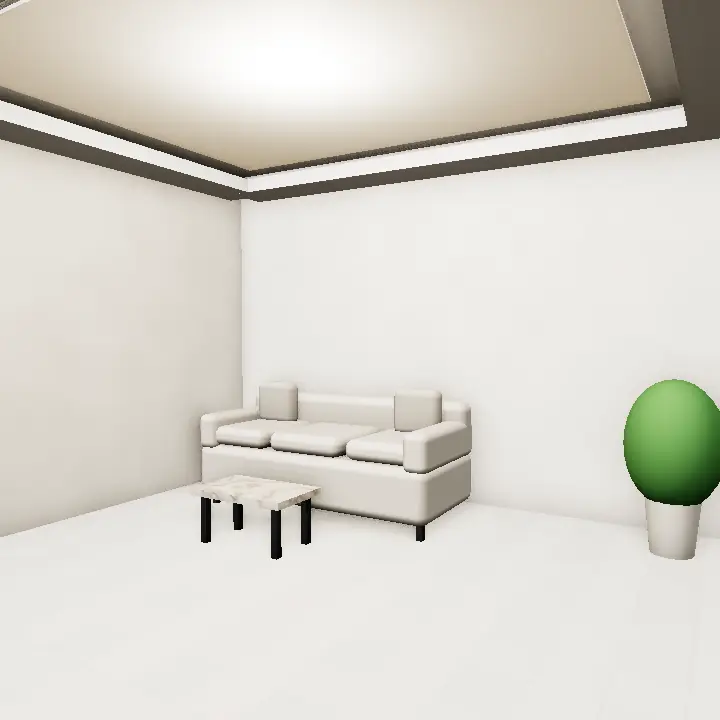
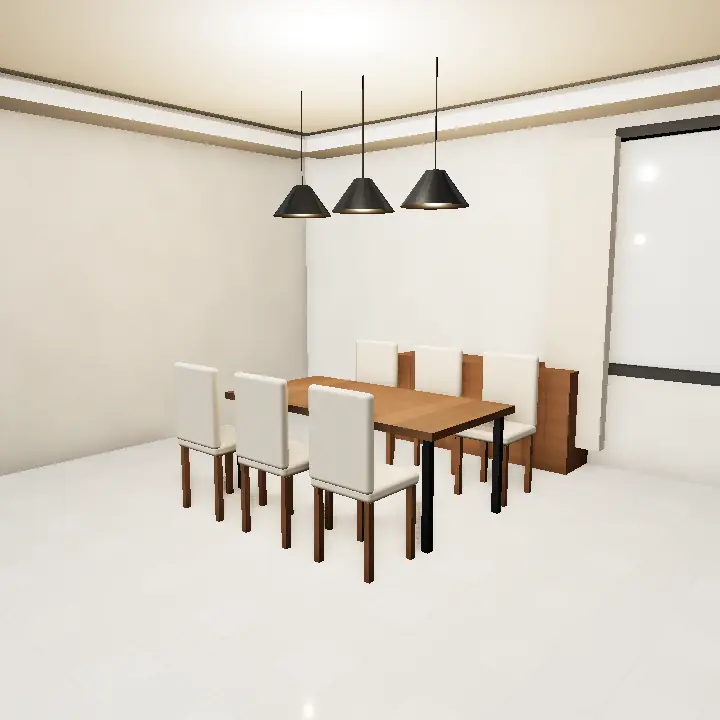
3D concept renders for inspiration — not photos of real houses or projects. A designer adapts any idea to your plot, budget and society rules.
Layering light room by room
In lounges, combine ceiling lights such as spotlights or profile lights for general use with cove lighting and floor or wall lamps for evenings. In bedrooms, soft indirect light and bedside lamps matter more than bright overhead light.
Kitchens need strong, even task lighting under wall cabinets and over the counter. Washrooms need clear light at the mirror. Dining rooms look best with a pendant or chandelier over the table and softer light around the edges.
- Lounge: spots or profile lights plus cove and lamps
- Bedroom: cove, bedside lights and a low central fitting
- Kitchen: under-cabinet strips and bright ceiling lights
- Dining: a pendant over the table on a dimmer
Colour temperature, controls and power
Warm white light feels cosy and suits bedrooms, lounges and dining rooms. Neutral or cool white is clearer for kitchens, studies and washrooms. Keep the same colour in each room so the light does not look patchy.
Profile lights, cove strips and smart switches let you set scenes such as bright for cleaning, soft for films and dim for night. Ask your electrician to put key lights on the backup circuit so the house is not dark during load-shedding.
- Group switches by scene, not by fitting
- Use dimmers on chandeliers and cove lights
- Keep drivers reachable for future repairs