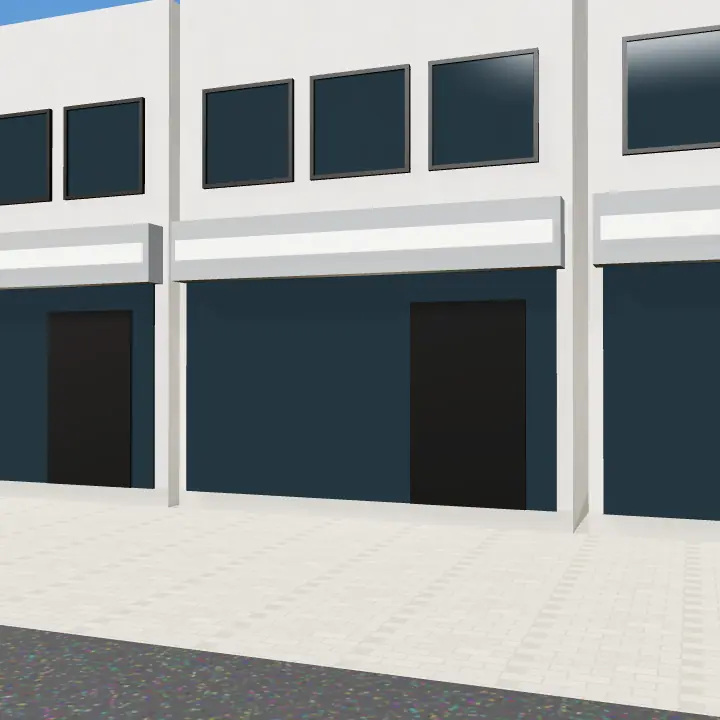
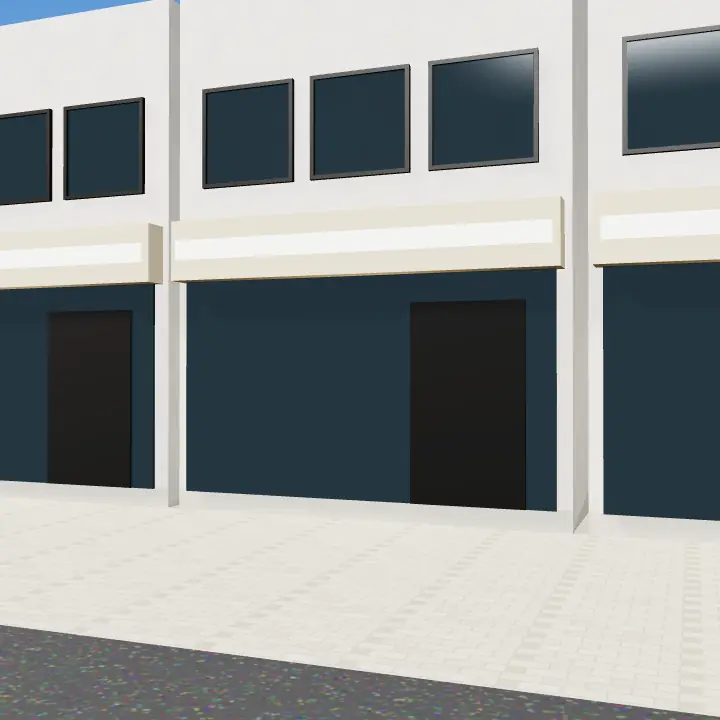
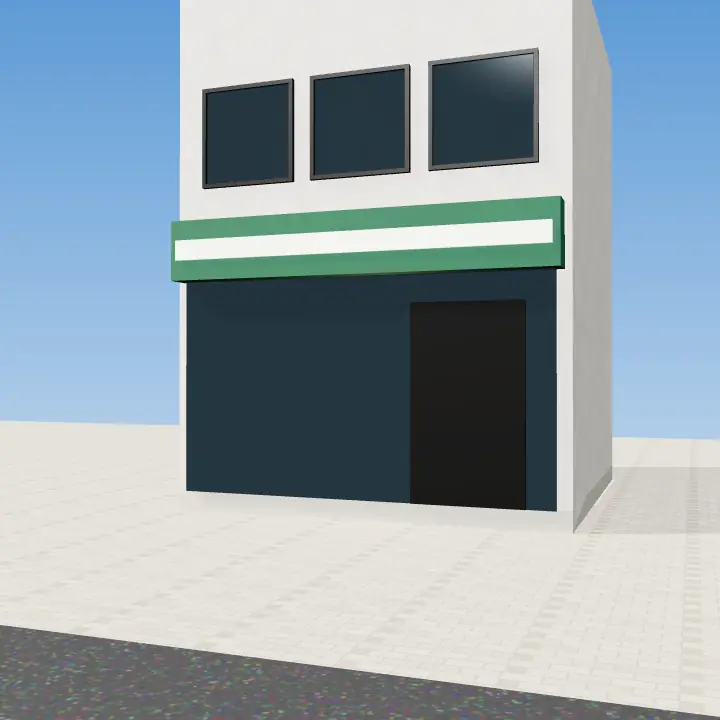
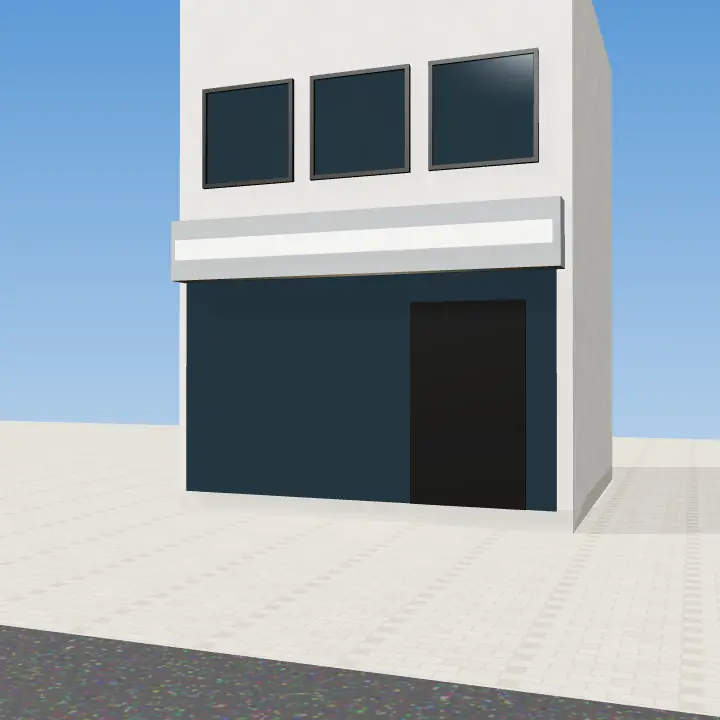
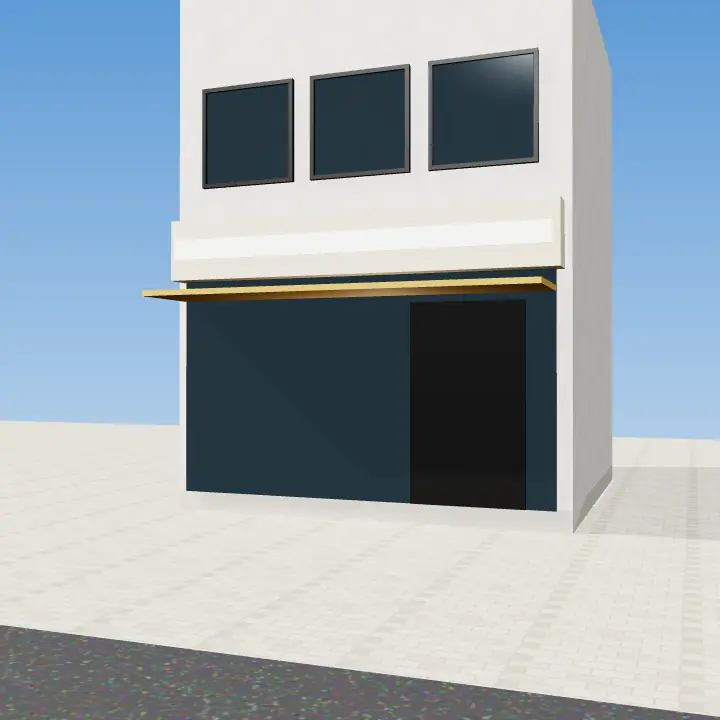
What makes a shop front work in a Lahore market
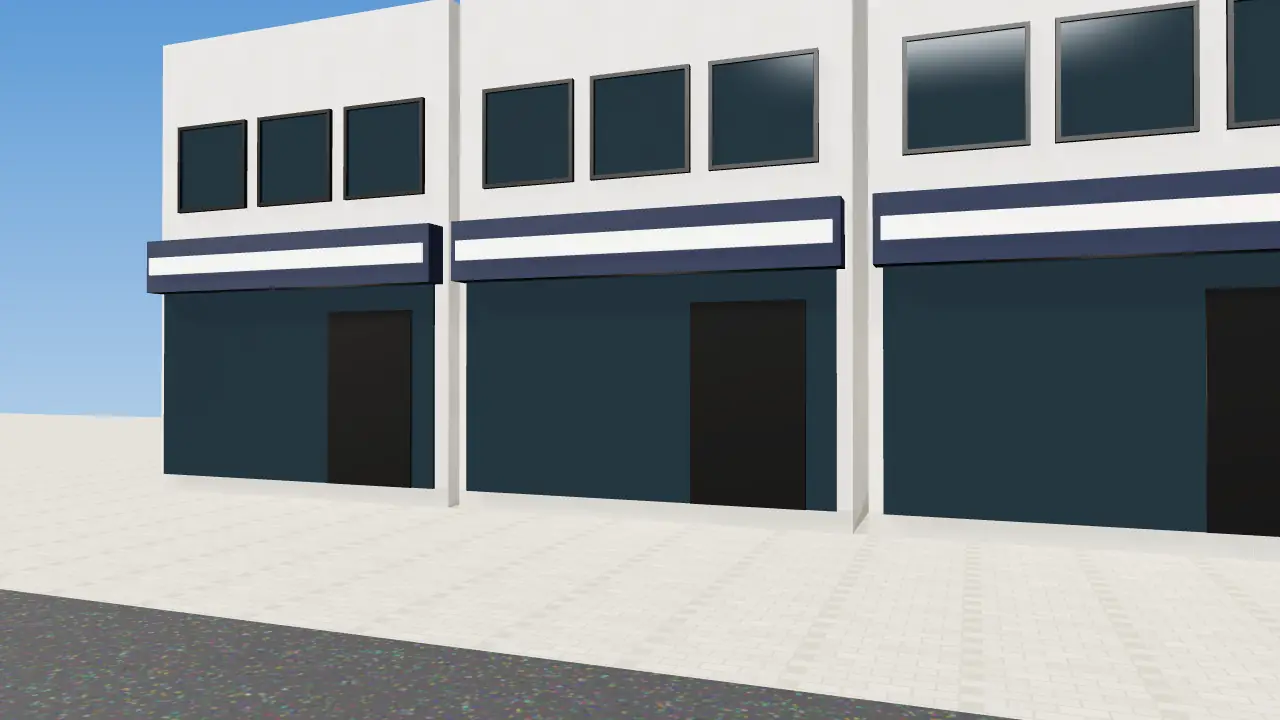
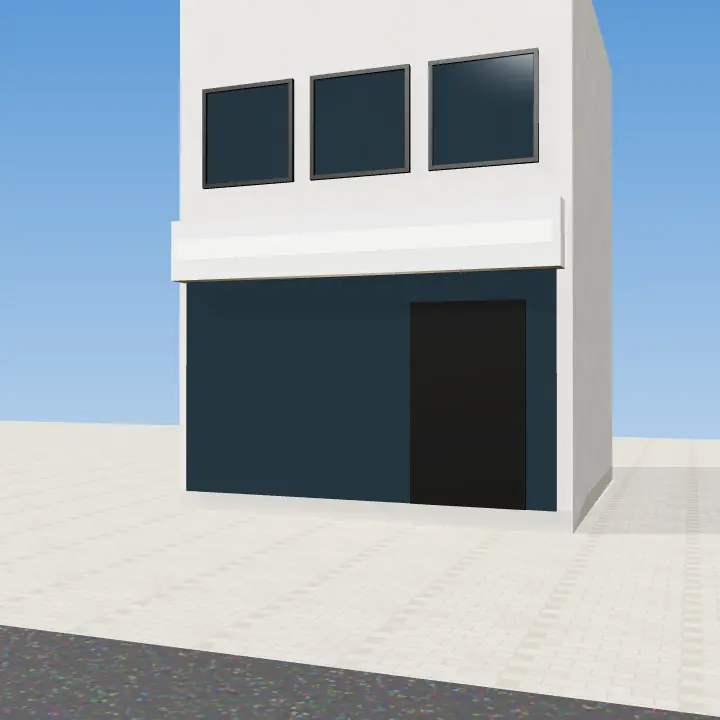
Think of your shop facade in three layers. The top is the sign zone, where your name and trade are read from across the road. The middle is the display zone, at eye level, where products do the selling. The bottom is the threshold: the step, door and flooring that tell people they are welcome to walk in.
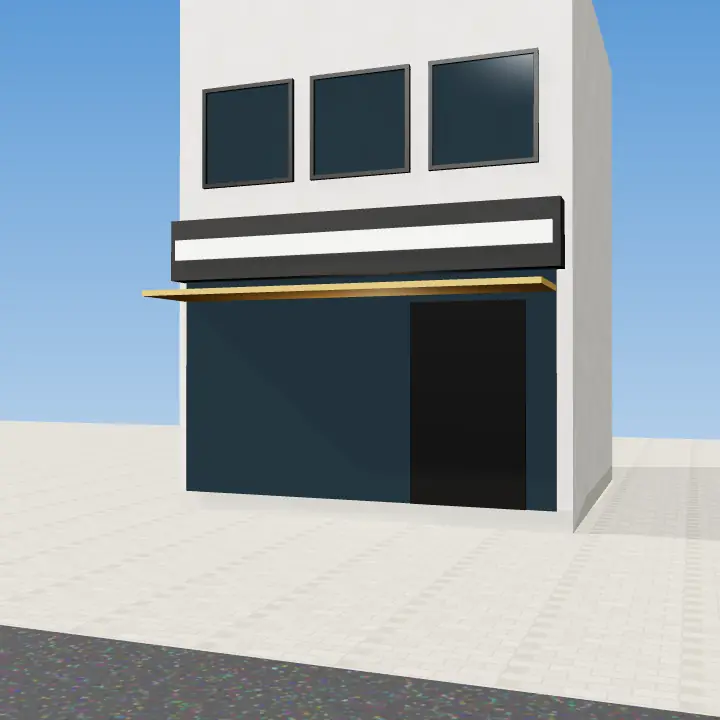
Dukan ka front design in Lahore also has to cope with dust, glare and monsoon rain. Deep fascias that shade the glass, a small canopy over the door and a floor finish that is not slippery when wet all make a frontage easier to live with day to day.
- Keep the entrance in line with the main walking direction of the market
- Leave the display window uncluttered so the eye lands on a few products
- Hide the shutter box inside the fascia so the open front looks clean
- Plan a spot for the air-conditioning outdoor unit that does not sit on the sign
Signboard design and lighting
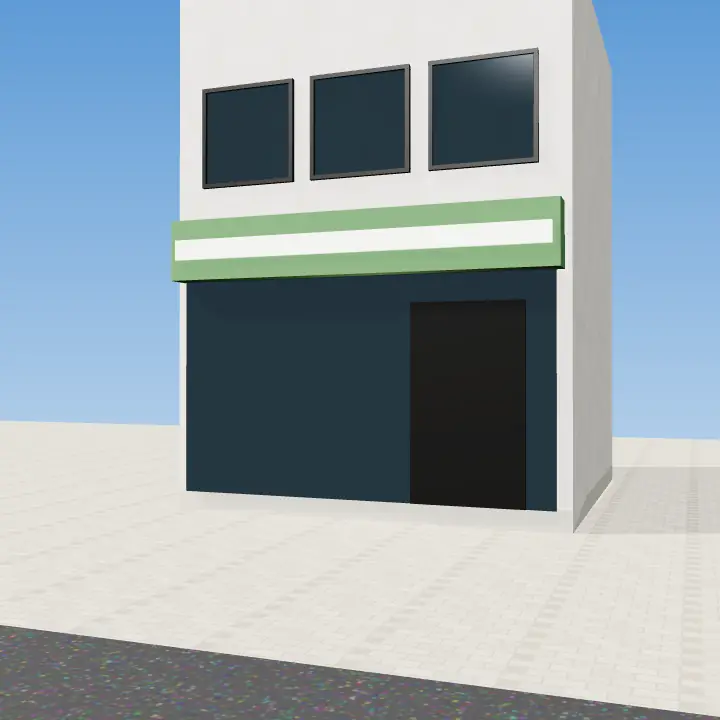
Your signboard design should be readable from a moving car or rickshaw, not only from the shop door. Short names, strong contrast and generous spacing work better than long lists of products and phone numbers crowding the board.
Backlit letters, a lit fascia band or simple downlights over the window all work at night. Ask your designer to keep a small backup circuit for the sign and window lights so the shop still looks open when the main supply drops.
- Choose one or two colours for the sign and repeat them inside
- Keep the sign size within society or plaza limits before ordering
Materials and finishes that survive the street
Shop fronts take a beating from sun, traffic dust and rain splash. Aluminium composite panel, powder-coated aluminium or steel frames, toughened glass and stone or porcelain cladding near the ground all hold up well and are easy to clean.
Brick tiles and exposed brick give a warm, local look that suits restaurants and bakeries. Painted plaster is cheaper to start with but needs repainting more often on a busy road, so think about upkeep, not just day-one looks.
